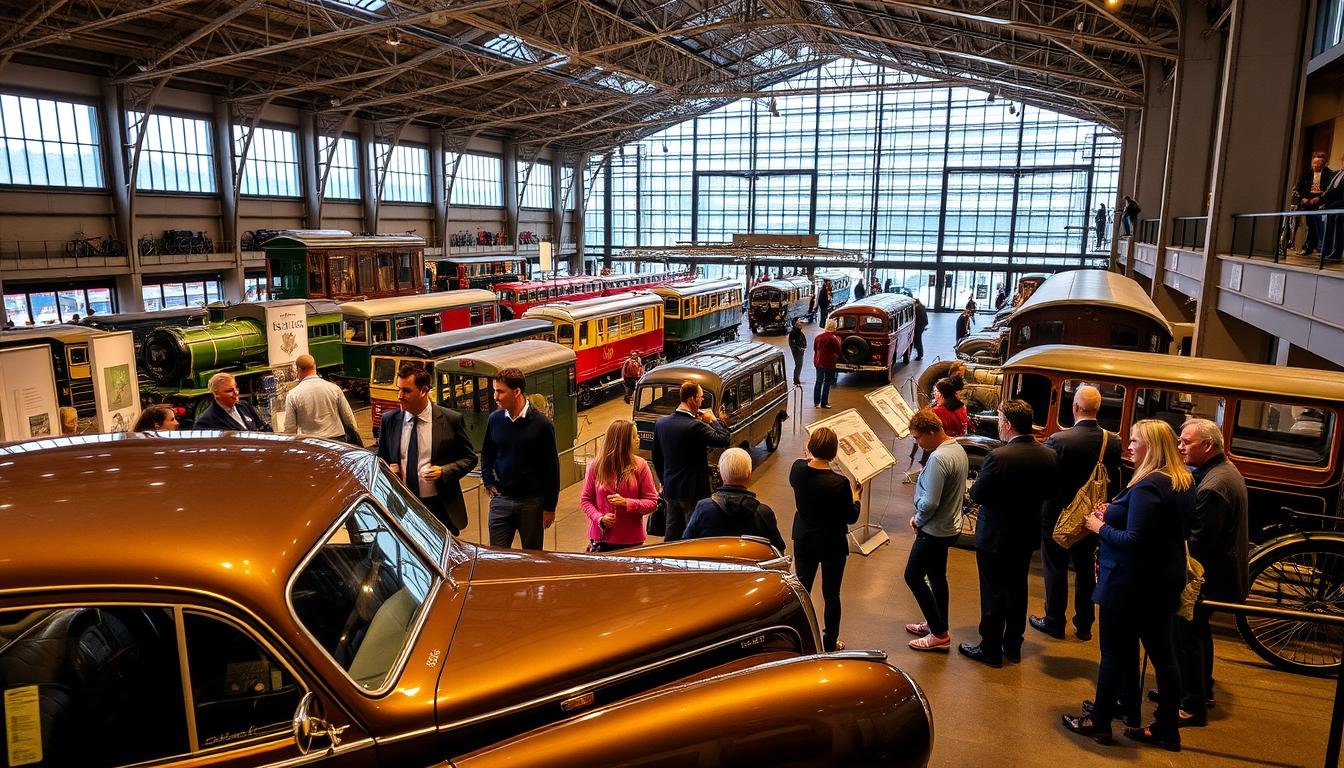
For many families in our area, the morning routine is now a big source of frustration. The rhondda school transport chaos is affecting hundreds of students. They need local buses to get to school on time.
Parents are worried about how these delays affect their kids’ education and happiness. When buses don’t show up, it worries everyone in our community.
We must tackle these ongoing rhondda school transport delays to fix our local transport. By teaming up, we can find ways to make sure every student can travel reliably. It’s time to focus on our families and make sure transport services do their job well.
Key Takeaways
- Understanding the root causes of current travel disruptions.
- The negative impact of unreliable services on student attendance.
- Community-led initiatives to improve local bus reliability.
- Holding transport providers accountable for service standards.
- Prioritising the safety and punctuality of our children.
Understanding the Rhondda School Transport Situation
To understand the current transport situation, we need to look back. For years, the valley has used a network of buses to get pupils to school on time. But, recent changes have led to rhondda school transport chaos.
Overview of Recent Issues
The problems started with old buses and changing needs. Families have faced sudden cancellations and long delays. These issues are not one-offs but a growing pattern of trouble.
Several things have caused this rhondda school transport chaos. These include:
- Not enough drivers for busy morning routes.
- Old buses trying to cover more areas.
- Bad communication between bus companies and families.
Community Impact
The transport problems affect more than just schools. When buses don’t show up, parents have to change their work plans. This rhondda school transport chaos hurts local businesses that need their staff on time.
Also, the uncertainty about travel affects students’ well-being. Pupils who are late or miss school struggle to keep up with their studies. A reliable transport system is key for the community’s health and success.
Key Players: Who’s Responsible for School Transport?
Understanding who is in charge of school transport is key. When things go wrong, it’s often because it’s unclear who is to blame for rhondda school transport problems.
Local Authorities
The local council is in charge of school transport. They are legally responsible for making sure students can get to school safely.
- They set up the routes and safety rules.
- They decide how much money to spend on transport.
- They check how well the transport companies are doing.
Transport Providers
Private companies run the daily transport. They deal with the drivers and buses. But, they face issues like not enough staff or broken buses.
“Effective transport relies on a seamless partnership between the council and the operators to ensure no child is left behind.”
Schools and Parents
Schools and parents are important for talking about transport issues. They give feedback that shows when things aren’t working. Working together is key to solving problems quickly.
The Reasons Behind the Transport Chaos
The recent decline in reliable school transport is due to a perfect storm of challenges. Families are struggling with these issues every day. It’s key to understand the rhondda school transport problems to find a solution.
Increased Student Numbers
The main cause is the growing number of pupils needing transport. As schools get bigger, the vehicle fleet can’t keep up. This means many students can’t get a seat on their preferred routes.
Budget Constraints
Financial issues limit the quality of services. With tight budgets, every penny counts. The rhondda school transport problems worsen when costs for fuel, maintenance, and wages rise.
Transport Service Challenges
The region’s geography adds to the problems. The challenging landscape makes it hard to keep schedules. Narrow roads and steep hills need careful planning, but small delays can affect the whole network.
These rhondda school transport problems come from many factors. They show how geography, economics, and population changes need a united effort to solve.
Parents’ Perspectives on Transport Issues
The heartbeat of any community is its families. Right now, parents in the Rhondda feel unheard. They notice when systems fail and share valuable insights into travel difficulties.
Addressing rhondda school transport issues means listening to those who face these problems every day.
Frustrations with Delays
Many families say buses are often late or don’t show up. This causes parents to be late for work and students to miss school. The unpredictability of the schedule adds stress to busy homes.
“We are left waiting at the stop with no communication, wondering if the bus is coming or if we need to find an alternative route at the last minute.”
Safety Concerns
There are also worries about children’s safety when they wait in exposed or poorly lit areas. When buses are late, students are left alone on busy roads. These rhondda school transport issues affect children’s wellbeing.
Parents say not having real-time updates makes planning for their children’s safety hard. Peace of mind is scarce for many families in the valley.
Suggestions for Improvement
The community has offered ways to fix these rhondda school transport issues. They think a clear communication system would help a lot. By working together, we can make the transport network better.
Parents suggest a few things:
- Creating a real-time tracking app for school buses.
- Starting a hotline for service disruptions.
- Running more buses during busy times.
Solving these rhondda school transport issues needs everyone’s help. When parents are involved, solutions work better for all.
Check Glasgow here
Students’ Experiences with School Transport
For students in the valley, the morning commute is a big worry. The rhondda school transport issues make many young people feel stressed and late before school even starts.
Daily Commutes
Students often wait a long time at bus stops, no matter the weather. When buses are late or don’t show up, they worry if they’ll make it to school on time.
This makes them leave their homes very early. It takes a lot of energy, leaving them tired before school even starts.
Impact on Academic Performance
Being late to school makes it hard to learn. Students miss important lessons or new topics because they’re late.
This can lower their grades and make exams more stressful. Teachers also struggle to catch up students who are late because of transport problems.
Emotional and Social Effects
The rhondda school transport issues affect students’ social lives too. They miss out on fun activities or hanging out with friends because they’re rushing to catch a bus.
The pressure to be on time is exhausting for them. We need to help our students feel supported and valued in their education.
| Challenge Type | Primary Effect | Student Sentiment |
|---|---|---|
| Unreliable Timing | Missed Lessons | Frustrated |
| Service Cancellations | Increased Anxiety | Stressed |
| Limited Availability | Social Isolation | Disappointed |
How the Local Authorities Are Responding
Our local government is working hard to fix the rhondda school bus delays. They aim to make sure every student can get to school safely and on time. It’s clear we need to act fast and change how we manage services.
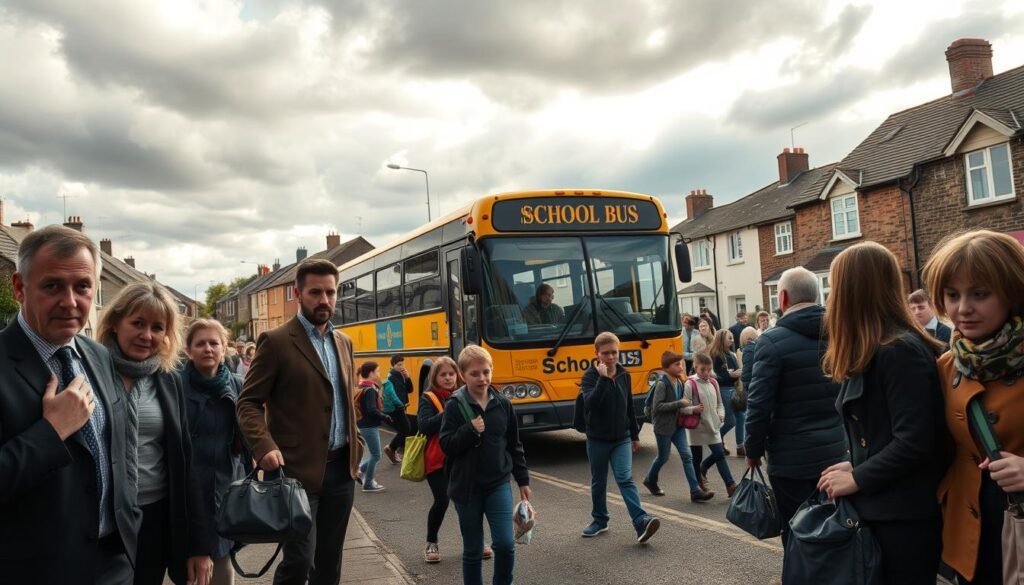
Recent Actions Taken
Officials are reviewing transport routes to find and fix problems. They want to know why buses are often late. They’ve added more buses in the morning to help with overcrowding.
They’ve also started a new system to track buses in real-time. This helps parents know where their buses are. It’s a big step to regain trust in the school transport system.
Stakeholder Meetings
Working together is key to solving the transport issues. Meetings are happening regularly. They include transport providers, school staff, and parents. These meetings aim to make our transport system stronger for the future.
“Our primary commitment is to the safety and well-being of our students, and we are working tirelessly to ensure that every child arrives at school on time and without unnecessary stress.”
These meetings are helping to improve how we talk to each other. Fixing the rhondda school bus delays is a big challenge. But working together is the way forward.
| Action Item | Primary Goal | Expected Outcome |
|---|---|---|
| Route Audits | Efficiency | Reduced travel times |
| Real-time Tracking | Transparency | Improved parent communication |
| Stakeholder Forums | Collaboration | Unified problem solving |
Transport Providers: Their Role in the Crisis
Running school bus routes in the Rhondda valley is a big challenge for local transport companies. They face strict contracts and tough roads. It’s key to understand their struggles to find a way forward.
Services Offered
Local transport providers ensure students get to school safely and on time. They manage complex schedules to meet school bell times. Reliability is their main goal, helping families who rely on them.
These companies work with councils to adjust routes as student numbers change. They keep fleets safe and ensure every child has a seat. Effective communication with schools and parents is vital.
Challenges Faced
Despite their efforts, providers face big challenges leading to rhondda school bus delays. The valley’s tough terrain is harder in winter. A lack of qualified drivers also makes keeping services consistent hard.
Financial issues add to the problem. Fuel and maintenance costs are high, but contracts are fixed. This can lead to rhondda school bus delays that upset students and parents.
| Operational Factor | Impact on Service | Primary Difficulty |
|---|---|---|
| Valley Geography | High | Steep, narrow roads |
| Driver Availability | Critical | Staffing shortages |
| Contractual Costs | Moderate | Budget limitations |
| Vehicle Maintenance | High | Frequent wear and tear |
Fixing these problems needs teamwork between local authorities and transport companies. By understanding the challenges, we can work together to reduce rhondda school bus delays.
Community Voices: Highlighting Public Concerns
The voices of Rhondda residents are a powerful force in tackling the transport crisis. Families facing daily travel issues turn to their neighbours for help and solutions. This collective effort is key to making sure students’ needs are prioritised by local leaders.
Public Meetings and Forums
Local town halls and community centres have become key places for parents to express their concerns. These meetings are a crucial catalyst for demanding answers from those in charge of school routes. By sharing personal stories, residents highlight how rhondda school transport disruptions affect their lives.
These forums offer a chance for direct talks between the public and local authorities. People often leave with a better understanding of the challenges involved. More importantly, these meetings help the community present a united front, ensuring their message is heard by the right people.
Social Media Discussions
Digital platforms have changed how families talk about their travel issues. Social media groups offer a quick way to share experiences of rhondda school transport disruptions. This feedback is invaluable for spotting patterns and the worst routes.
These online spaces also serve as a digital town square for rallying support. Parents use them to start petitions and share news on council decisions. By keeping the conversation going, the community keeps the issue of rhondda school transport disruptions at the top of the agenda.
Case Studies: Successful School Transport Solutions
Innovative strategies from across the country offer a blueprint for improving our local school travel networks. By examining how other regions have navigated their own logistical hurdles, we can identify practical steps to mitigate rhondda school transport disruptions. Learning from these experiences allows us to move beyond temporary fixes and toward a more stable, long-term framework.
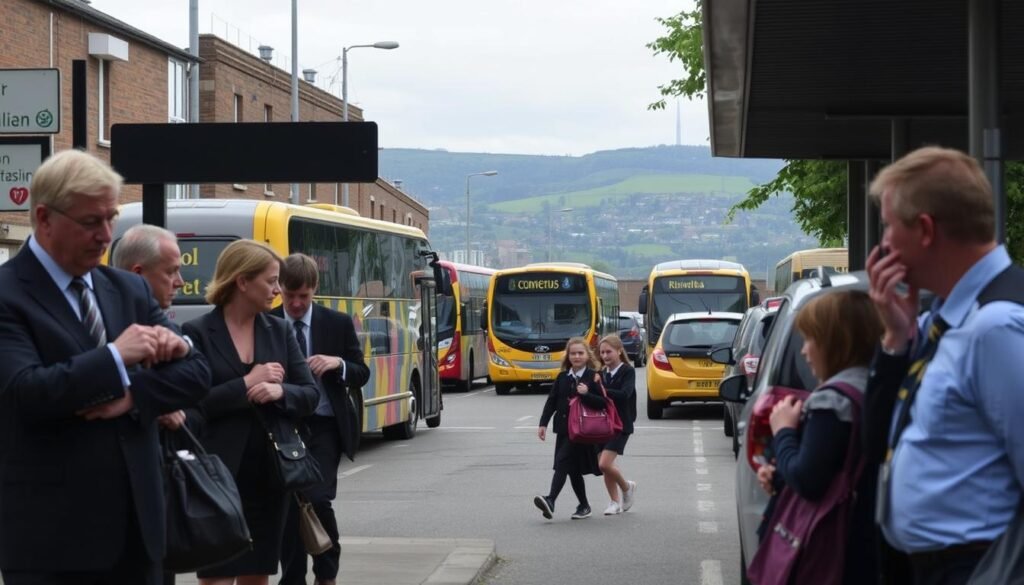
Examples from Other Regions
In Cornwall, local authorities successfully addressed rural transport gaps by implementing a flexible demand-responsive system. Instead of relying solely on rigid, large-scale bus routes, they utilised smaller vehicles that could adapt to changing student numbers. This approach significantly reduced wait times and ensured that even the most isolated pupils reached school on time.
Similar councils in Scotland have pioneered integrated digital platforms that provide real-time updates to parents. By allowing families to track their children’s transport in real-time, these regions have fostered greater trust and transparency. This level of communication has proven essential in preventing the panic often associated with unexpected delays.
Lessons Learned
The primary takeaway from these success stories is the necessity of proactive communication. When parents are kept informed through reliable channels, the overall anxiety surrounding school travel decreases significantly. Open dialogue between providers and the community is a cornerstone of any effective transport strategy.
Further, data-driven planning is vital to overcoming rhondda school transport disruptions. Authorities that regularly review route efficiency and student demand are far better equipped to handle sudden changes. By adopting these proven methods, we can build a system that is not only reliable but also resilient enough to handle future challenges.
Proposed Solutions for Rhondda
To solve the transport crisis in our area, we need a new, team effort approach. This should focus on innovation to tackle the rhondda school transportation challenges affecting many families. By combining local ideas and smart planning, we can create a more reliable transport system.
Community Engagement Initiatives
Improving our transport starts with listening to those who use it. We suggest setting up regular neighbourhood forums. Here, parents, school staff, and transport providers can share their views openly. This ensures that those making decisions are truly accountable to the community.
Also, creating a digital feedback platform is a great idea. It lets people report issues in real-time. This transparent communication helps authorities spot problems fast. When people feel their voices are heard, they are more likely to work together to find solutions.
Improved Funding Strategies
Having steady financial support is key for a stable system. We should look into diversified funding models to avoid relying on one source. By working with local businesses and applying for regional grants, we can build a stronger financial base.
Investing in maintenance and driver training is also important. A well-funded service is safer and more efficient. Sustainable investment is essential to avoid future service gaps.
Modernising Transport Logistics
Technology can greatly improve our daily transport. Using advanced route optimisation software can cut travel times and fuel use. This modern method helps solve many of the current rhondda school transportation challenges by using resources wisely.
Introducing a mobile app for parents to track buses is another good idea. It gives families peace of mind with real-time updates. These digital steps will make the daily journey seamless and stress-free for our students.
The Future of School Transport in Rhondda
Improving school travel in Rhondda is a top priority. We need a plan that prevents future problems and makes sure all students can get to school. By tackling the rhondda school transportation challenges, we can create a better system for our community.
Long-term Plans
Local leaders are looking at new ways to make school transport better. They want to modernise logistics and increase the number of buses. This will help deal with the growing number of students.
They also plan to use better technology for scheduling and managing buses. This should cut down on the daily delays.
“A reliable transport network is the backbone of a successful education system, ensuring that no child is left behind due to logistical failures.”
They also want to work more with private bus companies. This will help solve the rhondda school transportation challenges that have been a problem for years. Below is a table showing how things will change from now on.
| Strategy Component | Current Approach | Future Vision |
|---|---|---|
| Scheduling | Manual/Static | Dynamic/Real-time |
| Communication | Delayed Updates | Instant Notifications |
| Capacity | Limited/Fixed | Scalable/Flexible |
Potential Changes in Policy
New policies are needed to support these changes. Authorities are thinking about new ways to fund school transport. They want to focus on efficiency and safety instead of just saving money.
They also plan to change how they decide who gets transport and how they buy buses. This will make things clearer for schools and parents. The goal is to make sure every student gets to school safely and on time.
How to Get Involved and Make a Difference
Real change needs everyone’s help to get our kids to school safely. You can help shape policies and improve our local roads.
Joining Local Advocacy Groups
Parents in the Rhondda Valley are coming together to demand better transport. Joining groups like the Rhondda Parent Action Network lets you share your stories. Together, you can push for better transport solutions.
Engaging with Local Leaders
Talking to your local councillors is key. Write to them about the transport delays affecting families. Ask for clear plans to improve services and keep them on track.
By working together, we can tackle big problems. Start advocating today for a safe and reliable transport system for all students.