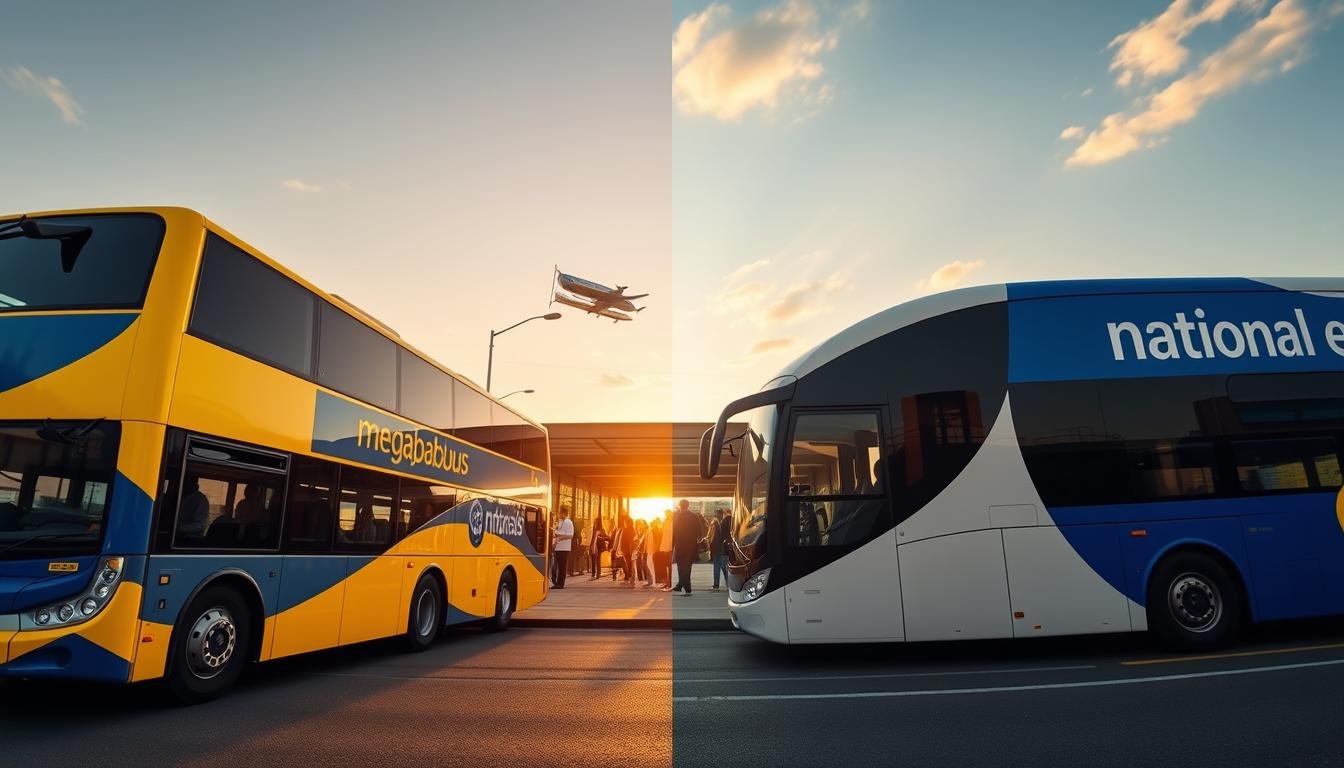
In the world of coach travel, the competition between different services can significantly impact your journey. Megabus made a bold entrance in August 2003, launching its first route from London to Oxford with tickets starting at just £1. This move disrupted the market, where established providers like National Express had set the standard for intercity travel, often charging a minimum of £10.
As we delve into this comparison, we will explore key aspects such as fares, luggage policies, route availability, comfort, and reliability. Understanding these factors is crucial for students, families, commuters, and airport passengers alike, all seeking the best value for their journeys.
We will also highlight the realistic prices travellers can expect, including examples like the £7.70 fare from London to Birmingham. This guide aims to clarify your options and assist you in making an informed decision for your next coach trip.
Key Takeaways
- Megabus disrupted the coach market with £1 tickets in 2003.
- National Express has long been the established provider for intercity travel.
- Key factors to consider include fares, luggage, and comfort.
- Realistic prices may differ from advertised fares.
- This comparison aids various travellers in making informed choices.
Introduction to UK Coach Travel
Coaches serve as a vital link across the UK, connecting towns and cities in an efficient manner. This mode of transport remains popular due to its affordability, making it an attractive option for many travellers.
Many passengers choose coaches as a practical way to cross Britain, especially when budget is a priority. While trains may offer faster journeys, coaches provide a cost-effective alternative.
UK coaches operate on predetermined routes, ensuring that major towns, cities, and airports are well-connected. Most coach stations are conveniently located near transport hubs or city centres, enhancing accessibility.
Advance booking is essential for securing the best fares, as tickets are typically linked to specific departures and are cheapest when purchased early. This is particularly beneficial for students, families, and occasional passengers facing high rail fares.
Although coaches can be comfortable for non-urgent journeys, travellers should allow extra time for potential traffic delays.
History and Evolution of Megabus and National Express
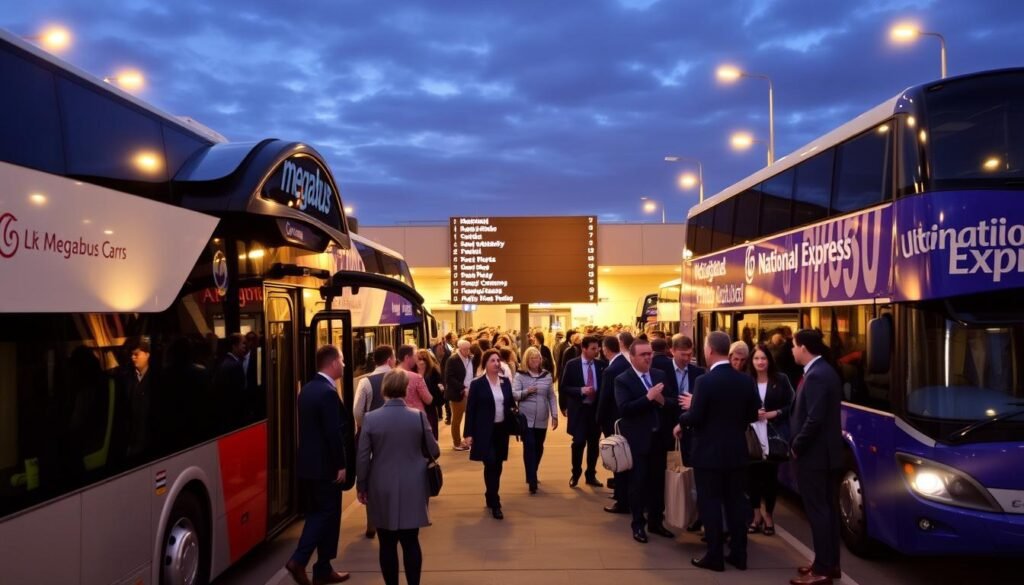
The story of coach travel in the UK showcases significant shifts in service and customer expectations. Megabus made its debut in August 2003, connecting London to Oxford with low-cost fares. This innovative approach changed the landscape of coach travel, offering an affordable option for many.
In 2013, the company launched Megabus Gold, featuring hammock-style beds priced at £15. However, this venture faced challenges and was discontinued in 2017 due to financial losses. Similarly, the introduction of Megasightseeing in London in 2018 aimed to diversify services but ultimately ended in 2021.
Meanwhile, FlixBus emerged in Munich in 2011, expanding rapidly and reshaping the market. The evolution of these services reflects a shift from purely low-cost travel to a focus on network reach, digital booking, and passenger comfort.
megabus vs national express: The Main Differences
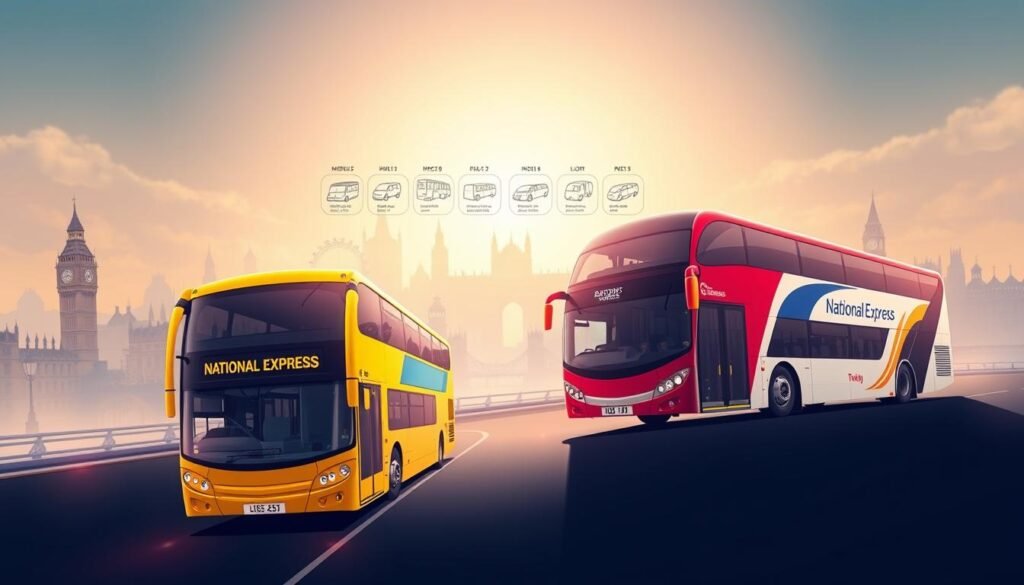
When choosing a coach service, understanding the differences between operators is crucial for a smooth journey. Two prominent players in the UK coach market are known for their unique offerings. Each has distinct advantages that cater to different traveller needs.
Key Service Distinctions
One operator focuses on ultra-low fares on popular routes, while the other boasts a broader network with frequent departures. For instance, tickets for one service start at just £4.90, making it an attractive option for budget-conscious travellers. Additionally, the introduction of over 16,000 new seats per week from December has enhanced capacity, catering to a growing customer base that increased by 25% last year.
Comparative Value Propositions
Understanding these differences helps travellers align their priorities with the right operator. Whether you value route choice, flexibility, or airport access, each service has its strengths. The table below summarises key comparisons:
| Feature | Operator A | Operator B |
|---|---|---|
| Starting Fare | £4.90 | Ultra-low fares |
| Weekly Seats Added | 16,000+ | N/A |
| Customer Growth | 25% increase | Reduced footprint |
| Network Coverage | Extensive | Selected corridors |
Ticket Fares and Pricing Structure
Understanding ticket fares and pricing structures is essential for making informed travel choices. The cost of coach travel can vary significantly based on several factors. For instance, while some tickets may be advertised at low prices, the reality is often different.
In 2018, only the first six seats on a popular route were available for just £1. This illustrates how limited availability can affect your overall trip costs. In contrast, a typical fare for a journey from London to Birmingham was recorded at £7.70.
On the other hand, tickets from the other operator reportedly start at £4.90. This highlights the importance of booking early, as prices tend to rise closer to departure dates and during holiday periods.
Factors such as route popularity and remaining capacity also influence final ticket prices. Therefore, it’s wise to consider these elements when planning your journey. To assist with budgeting, here’s a framework for calculating daily travel costs:
| Cost Component | Example Amount |
|---|---|
| Return Fare | £15.40 |
| Airport Transfer | £10.00 |
| Local Transport | £5.00 |
| Total Estimated Cost | £30.40 |
Luggage Policies and Onboard Amenities
Luggage policies and onboard amenities play a pivotal role in shaping the coach travel experience. Most standard coach journeys allow for either under-seat or hold luggage. Additionally, amenities such as toilets, reclining seats, and reserved seating enhance comfort during longer trips.
Onboard Wi-Fi is commonly available, but its reliability can vary. Passengers should be aware that extra luggage and seat selection may incur additional fees, depending on the fare type. It’s essential to check these details before arriving at a service station.
For instance, years ago, the introduction of Megabus Gold aimed to improve overnight comfort with hammock-style beds priced at £15. While this was a unique offering, it illustrates the ongoing quest for enhanced passenger experience.
Here’s a quick overview of luggage allowances and onboard features:
| Feature | Standard Allowance | Additional Fees |
|---|---|---|
| Under-seat Luggage | 1 Bag | N/A |
| Hold Luggage | Up to 20kg | £5 per additional bag |
| Reserved Seating | Available | £3 per seat |
| Onboard Wi-Fi | Available | Inconsistent |
Journey Duration and Route Coverage
The duration of your journey can vary greatly depending on the mode of transport you choose. Coaches typically take longer than trains due to several factors. Lower fares often come with longer travel times and additional stops along the way.
Urban traffic can significantly affect arrival estimates, especially around busy areas like London and airports. It’s wise to build in some contingency time if your journey is tied to an important event, such as an interview or flight.
Furthermore, routes that make several intermediate stops can materially extend the scheduled duration. While coaches may not be the fastest option, they are often more affordable, especially when rail fares are high or services are limited.
Here’s a quick comparison of journey durations:
| Transport Type | Average Duration | Stops |
|---|---|---|
| Coach | 3-5 hours | Multiple |
| Train | 2-3 hours | Direct |
Customer Experience and Service Reviews
The experiences of passengers on coach services can vary widely, impacting their overall satisfaction. For instance, journalist El Hunt described one operator as a trusted service between London and Bristol. However, this reliability was tested when a reported toilet blockage caused a delay of almost two hours.
Onboard comfort is crucial for a pleasant journey. Factors such as reserved seating, personal space, and onboard noise can shape the atmosphere on a full bus. When the cabin is busy, proximity to the toilet can also affect passenger comfort.
Despite mixed experiences, one operator carries approximately four million UK passengers each year, demonstrating substantial demand. In contrast, another operator reported a 25 per cent increase in customers during the previous year, highlighting its growing appeal.
Budget-conscious passengers should consider whether a lower fare justifies longer travel times, less flexibility, or a potentially busier cabin. Balancing cost with comfort is essential for a satisfactory journey.
National Express: Network Reach and Service Quality
The effectiveness of a coach service often hinges on its ability to connect major cities and airports. National Express stands out for its extensive national network and frequent services, making it a popular choice for many travellers.
Its broad coverage across major British destinations makes it particularly attractive for airport transfers. With routes linking key locations, passengers can enjoy seamless travel to and from airports.
Airport and City Connectivity
Partnership routes, such as London-Bristol and Bristol-London Gatwick Airport, further enhance connectivity. This collaboration allows passengers to benefit from a wider range of travel options.
Strategic Route Expansions
However, the recent withdrawal of routes by another operator has reduced choices for local passengers in areas like Derby, Leicester, and Nottingham. This shift highlights the importance of route expansion to support university travel, family visits, and connections between regional cities.
When planning your journey, it’s wise to compare exact departure points, stops, and connection requirements. This approach ensures you make the best choice for your travel needs, rather than relying solely on brand reputation.
Budget Travel Considerations and Hidden Costs
When planning a coach journey, it’s essential to look beyond the initial fare. Many travellers may not realise that additional costs can quickly add up. Factors such as extra luggage, seat selection, and local transfers can significantly affect the overall price.
For example, while a ticket may start at a low price, hidden fees can make the final cost much higher. It’s also important to consider cancellation policies. Stricter change policies from some operators can be a concern for those with uncertain plans. If you need to adjust your journey, this could lead to additional charges.
Here’s a quick overview of potential hidden costs:
| Cost Component | Example Amount |
|---|---|
| Additional Luggage | £5 per bag |
| Seat Selection | £3 per seat |
| Booking Amendments | £10 fee |
| Local Transfers | Varies by location |
While a fare of £4.90 might seem appealing, it’s wise to factor in the total cost of reaching your departure station and final destination. Always check the cancellation and amendment terms before purchasing, especially for holiday travel. Sometimes, a slightly higher fare can provide better flexibility and fewer costly changes.
Innovations and Collaborations in Coach Travel
Recent advancements are reshaping the expectations of modern coach travellers. Innovations in technology and service delivery have become essential for operators aiming to enhance the passenger experience.
Technological Advancements
One notable example is the introduction of sleeper concepts, which aim to provide comfort during long trips. Years ago, Megabus Gold launched £15 hammock-style sleeper beds, offering a premium overnight service. Although this service ended in 2017, it showcased the potential for luxurious options in coach travel.
Furthermore, online booking systems and onboard connectivity have revolutionised how passengers plan their trips. Social media engagement has also increased, allowing operators to interact with customers more effectively.
New Partnerships and Future Routes
FlixBus, founded in Munich in 2011, has made significant strides in the coach travel industry. With a turnover of €2 billion and 81 million passengers worldwide, it quickly became a major player. In just three years, over five million UK passengers chose FlixBus for their journeys.
Looking ahead, FlixBus plans to introduce more than 200 vehicles for the upcoming summer. This expansion could greatly influence future routes, competition, and pricing, providing an attractive alternative to rail travel.
| Feature | FlixBus | Megabus Gold |
|---|---|---|
| Launch Year | 2011 | 2013 |
| Turnover | €2 billion | N/A |
| Passengers (Worldwide) | 81 million | N/A |
| UK Passengers (3 Years) | 5 million+ | N/A |
| Service Type | Standard & Sleeper | Sleeper |
Conclusion
Choosing the right coach service can greatly influence your travel experience. National Express typically offers extensive coverage, frequent departures, and strong airport connections. In contrast, Megabus has focused on lower headline fares historically.
To get the best value, early booking is essential. While the original £1 fare was appealing, it was limited to the first few seats. Travellers should also consider luggage allowances, seat-selection fees, and journey durations before making a choice.
With the recent withdrawal of many services, route availability is crucial for regional travel. Coaches remain a valuable option in Britain, providing an affordable alternative to rail travel, especially for airport transfers and intercity routes.