Creating healthier travel habits in the UK starts with a clear vision for our streets. An active transportation program is key for local councils to rethink how we move. By focusing on walking and cycling, we can make our streets safer and more welcoming for all.
Setting up these strategies needs careful planning and a commitment to inclusive design. This guide gives community leaders the tools they need for sustainable travel options. By using evidence-based methods, we ensure every active transportation program brings long-term benefits for health and the environment. Let’s see how your council can lead this positive change today.
Key Takeaways
- Prioritise pedestrian and cyclist safety in urban planning.
- Utilise evidence-based strategies to encourage healthier travel habits.
- Foster inclusive environments that benefit all local residents.
- Support local councils in the transition to sustainable infrastructure.
- Focus on long-term health outcomes through better street design.
Understanding the Active Transportation Program
To change our local streets, we need to know the active transportation program first. This plan is key for communities in the UK to move away from cars. It focuses on walking and cycling to make neighbourhoods healthier and more connected.
Defining the scope of active travel
Active travel means moving by your own effort. It includes walking and cycling, and also using wheelchairs and scooters. The goal is to make these ways the best choice for short trips.
Choosing active travel cuts down on traffic and improves air quality. It’s essential to see that it’s not just for fun. It’s a smart way to get to work, school, or shops. By doing this, we help our planet.
The role of local authorities in the UK
Local councils lead in making policies and building paths. They find funding, design safe routes, and make sure the active transportation program meets national standards. Without their help, big projects can’t start.
The table below shows what local councils do for transport:
| Responsibility Area | Primary Action | Expected Outcome |
|---|---|---|
| Infrastructure Design | Building cycle lanes | Increased cyclist safety |
| Policy Development | Setting travel targets | Reduced carbon emissions |
| Community Engagement | Hosting public forums | Higher project adoption |
| Funding Management | Applying for grants | Sustainable project growth |
Working with residents, councils can make sure paths meet local needs. Collaboration is the key to success. When everyone works together, the benefits of the active transportation program are clear.
Check Oxford Circus here
Benefits of Sustainable Transport Initiatives
Starting a sustainable transport initiative can change UK towns and cities for the better. It makes places better for walking and cycling, reducing car use. This leads to a better life for everyone living there.
Improving public health and wellbeing
One big plus of an eco-friendly travel scheme is better health. Walking and cycling more means more exercise every day. This helps fight against sitting too much and lowers the chance of serious health problems.
These plans also boost mental health. Quiet, green paths help people relax and feel less stressed from traffic. Plus, cleaner air is great for breathing, keeping communities lively and healthy.
“The journey towards a healthier society begins with the simple act of choosing how we move through our streets every single day.”
Environmental impact and carbon reduction
Starting a strong, sustainable transport initiative is key to meeting climate goals. Fewer cars mean less pollution. This is a big part of making cities better today.
A good eco-friendly travel scheme also fights the urban heat island effect. It leads to:
- Less nitrogen dioxide and tiny particles.
- Less noise in homes.
- More wildlife through green paths.
These steps make a resilient local environment. By choosing green transport, we protect nature and ensure a cleaner future for all.
Planning Your Local Green Commuting Project
A green commuting project is more than just building roads. It’s a smart way to change how people travel every day. To succeed, you need a clear plan that matches your community’s needs. This means using facts to guide your decisions and avoid mistakes.
Assessing current community needs
First, you must know how your community travels. Gathering accurate data is key to creating a useful project. You should do surveys, hold workshops, and look at traffic reports to find problems.
Find out where people feel unsafe or lack good transport options. Use this info to make your green commuting project better. Talking to locals early helps make sure your project meets their needs.
Setting realistic goals and timelines
After finding the main issues, decide what success means. Use SMART goals to keep your team on track. Break your project into smaller parts to celebrate your wins.
Having a clear plan keeps everyone involved and helps get funding. A good green commuting project plans for delays and changes. Here’s a table showing the main steps in your planning.
| Planning Phase | Primary Objective | Expected Outcome |
|---|---|---|
| Data Collection | Identify travel habits | Baseline metrics |
| Feasibility Study | Assess site constraints | Technical report |
| Public Consultation | Gather community input | Refined project scope |
| Implementation | Execute infrastructure | Operational network |
By sticking to this plan, your green commuting project will be a lasting success. Consistency in planning is the secret to changing transport habits for the better.
Infrastructure Requirements for Walking and Cycling Promotion
Changing our streets into lively places for walking and cycling starts with good design. Investing in quality facilities makes these activities a natural choice. This way, local authorities can make our dreams a reality.
Designing safe cycle lanes and pathways
The success of active travel schemes relies on safe routes. Segregated cycle lanes are key, as they keep cyclists safe from cars. They help families and those who are less confident to cycle more.
Good design is more than just painting lines. It involves:
- Continuous connectivity: Making sure paths connect homes to schools, shops, and transport.
- High visibility: Using clear signs and bright markings to warn drivers of cyclists.
- Junction safety: Using advanced stop lines and signals to protect cyclists at busy spots.
Prioritizing pedestrian-friendly urban spaces
While cycling is important, we must also think about pedestrians. A pedestrian-friendly area makes people feel safe and encourages walking. This is key to promoting walking and cycling in UK towns.
To create these spaces, we need wider pavements and fewer cars. Traffic-calming measures like raised crossings and narrower roads help. These changes make walking easier and more appealing for daily tasks.
The aim is to build a network that benefits everyone. By focusing on pedestrians and cyclists, we help our communities become healthier and more sustainable.
Engaging the Community in Urban Mobility Campaigns
Changing how a community travels is more than just new roads. It needs real support from the public. A good urban mobility campaign listens to the people who live there. When they feel heard, they are more likely to accept changes to their streets and transport.
Strategies for effective public consultation
To gain trust, your consultation must be open and include everyone. It’s key to talk to different groups, even those who don’t usually go to town hall meetings. Active listening is the heart of a successful urban mobility campaign.
Here are ways to get feedback from your community:
- Host interactive workshops in local venues.
- Launch online surveys for busy commuters.
- Organize street-level pop-up events to engage passers-by.
- Create dedicated social media channels for updates and questions.
Building partnerships with local businesses
Local shops and services are key players in transport projects. Strong partnerships help keep your urban mobility campaign going strong. When streets become more friendly to pedestrians, businesses see more customers.
Highlight the benefits of sustainable travel to businesses. Collaborative efforts could be:
- Offering cycle-to-work incentives for staff.
- Installing secure bike racks near shops.
- Co-branding materials to promote sustainable shopping.
When businesses and residents work together, everyone benefits. This teamwork makes your urban mobility campaign last and stay supported.
Funding and Grants for Low-Carbon Transport Strategies
Starting a sustainable transport initiative can seem overwhelming, mainly because of the funding needed. The dream of a greener community is clear, but finding the money is the hard part. Knowing where to look is the first step to making your vision a reality.
Navigating government funding streams
The UK government offers several ways for communities to get support for improving transport. Organizations like Active Travel England focus on walking and cycling. It’s important to keep an eye on their websites for new funding opportunities.
Local councils also have budgets for local development. Here’s how to stay updated:
- Sign up for newsletters from the Department for Transport.
- Engage with your local council’s transport planning department.
- Review the criteria for the Leveling Up Fund and similar regional programs.
Applying for regional transport grants
When applying for a low-carbon transport strategy, be clear and provide solid evidence. Grant providers look for ambitious yet achievable projects. A good proposal should show how your project will benefit the local community.
“Successful funding applications are built on a foundation of robust data and genuine community support, proving that the investment will deliver long-term value to the public.”
To boost your chances, make sure your application shows how it meets national environmental goals. Focus on measurable outcomes like less traffic or cleaner air. Remember, getting funding can take time, and it might take a few tries to find the right grant.
Integrating Alternative Modes of Transportation
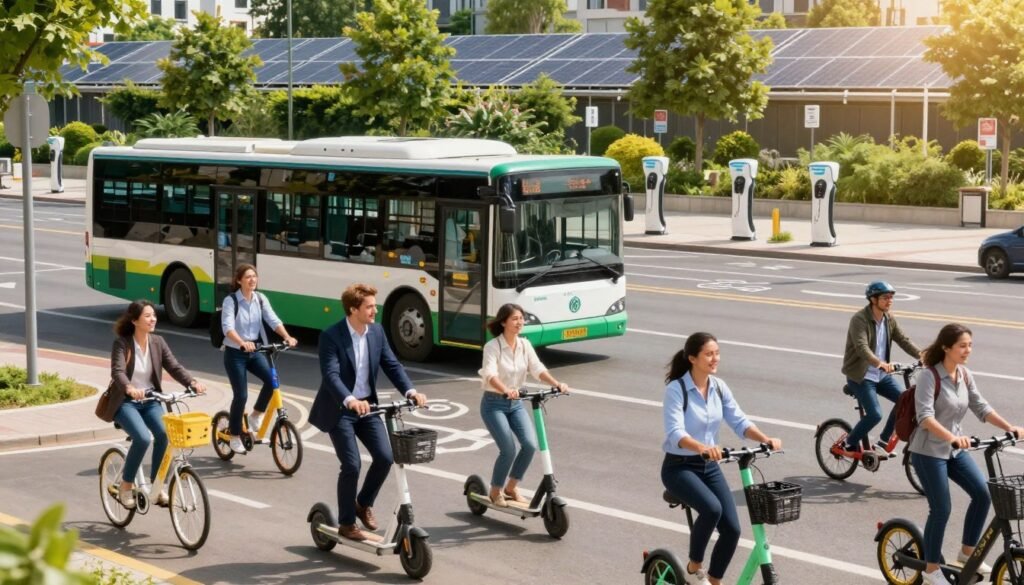
The rise of electric micro-mobility is changing how we move around towns and cities. As cities get busier, people are using alternative modes of transportation to avoid traffic and cut down on pollution.
Modern planning needs to adapt to these changes. This way, our streets stay open for everyone. By using these tools, local authorities can offer flexible and efficient ways to travel for daily commutes.
The role of e-bikes and scooters
E-bikes and electric scooters are key to a good low-carbon transport strategy. They help with the “last mile” of a trip, connecting public transport to where you need to go.
They’re great for short to medium trips that might need a car. By encouraging these, councils can cut down on local emissions and make the air cleaner in town centers.
Creating seamless multi-modal connections
We need to focus on making it easy to switch between transport types. A good network lets you ride an e-bike to a train station and then take public transit without trouble.
This needs secure places to store and charge vehicles at key spots. A strong low-carbon transport strategy makes sustainable travel easier. Connectivity is the foundation of a modern community.
Overcoming Barriers to Public Transport Advocacy
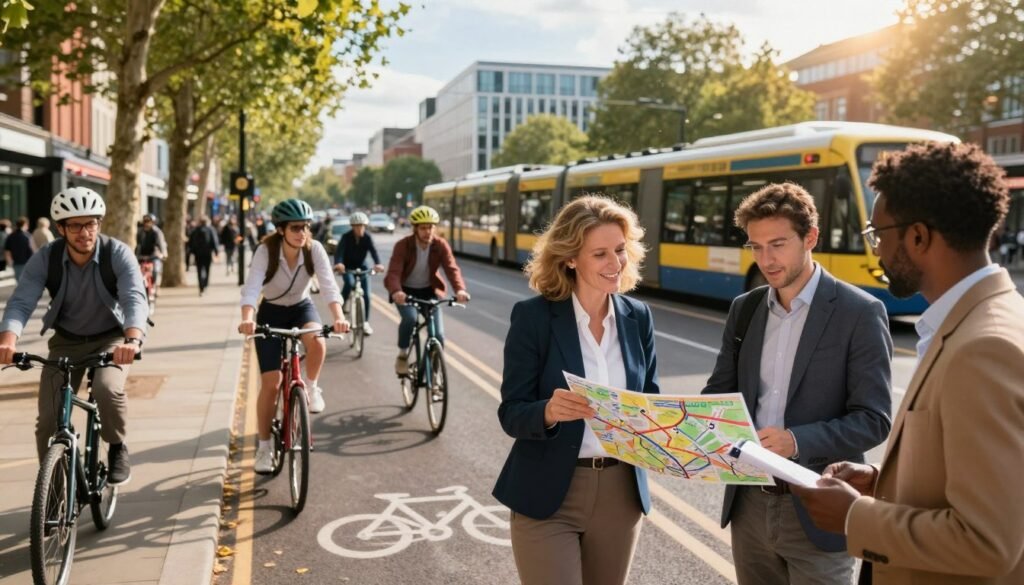
Changing how we travel in towns starts with fixing physical and mental gaps in our systems. Many people don’t want to leave their cars because they think other options are hard to use or not safe. To succeed in public transport advocacy, we must listen to these worries instead of ignoring them.
Addressing safety and accessibility concerns
For many, the biggest worry is safety when using buses, trains, or cycling. The elderly and those with mobility issues often find the roads too dangerous. To make our transport network better, local authorities need to focus on a few key areas:
- Installing high-quality, well-lit shelters at all bus stops.
- Ensuring that pavements and cycle paths are wide enough for all users.
- Implementing clear, tactile paving to assist those with visual impairments.
- Creating step-free access points at every major transport hub.
Changing public perception of travel habits
We also need to break the psychological tie to car ownership. A strong urban mobility campaign can change how people see travel. Showing that other ways are reliable, affordable, and genuinely enjoyable can encourage change.
We can make travel more appealing by sharing stories of success and clear info on new routes. When people feel heard and supported, they’re more likely to try new things. By focusing on people, we can make green travel the easy choice for all.
Monitoring Success and Measuring Impact
It’s important to see how your travel schemes really help. By setting up a clear plan, you can watch how your green commuting project grows. This helps show why you should keep investing and keep things moving forward.
Key performance indicators for active travel
To see how you’re doing, pick specific numbers that match your community’s goals. Look at how many people are cycling or walking and how air quality is changing. These quantitative measures show how new paths change daily habits.
Good public transport advocacy shows real results for people. By tracking these numbers, you prove your work is making a difference. Regular checks let you tweak your plan if needed.
Collecting and analyzing community feedback
Numbers only tell part of the story of your green commuting project. It’s also key to listen to the people using these services. Use surveys or workshops to hear from residents and understand the human side of your public transport advocacy.
Looking at this feedback reveals issues not seen in just numbers. When people feel listened to, they’re more likely to support your work. This teamwork makes sure your plans meet the community’s real needs.
| Metric Category | Primary Indicator | Data Source | Frequency |
|---|---|---|---|
| Usage Rates | Cycle/Pedestrian Counts | Automated Sensors | Monthly |
| Public Sentiment | Resident Satisfaction | Online Surveys | Quarterly |
| Environmental | Carbon Emission Levels | Air Quality Monitors | Annually |
| Accessibility | Route Connectivity | Mapping Software | Bi-annually |
Case Studies of Successful UK Schemes
Real-world examples are the best guide for any eco-friendly travel scheme. By looking at how other areas have tackled challenges, local authorities can improve their plans.
These projects show that good infrastructure and clear messages are key to lasting success. Whether in a busy city or a quiet town, the need for sustainable travel is the same.
Lessons from London’s cycle superhighways
London’s cycle superhighways have changed how people get around the city. These paths give segregated space for cyclists, making them safer and more confident.
One key lesson is the need for continuous, high-quality infrastructure. When paths are broken, fewer people use them. But when they form a network, more people ride. This shows that safe options can cut down on traffic.
Small town success stories in the Midlands
Effective walking and cycling promotion works in small towns, too. In the Midlands, several towns have done well with smaller projects that focus on local links and health.
These towns often enhance existing paths instead of making new ones. By connecting homes to schools and town centers, they make active travel easy for daily tasks. This shows that a well-thought-out eco-friendly travel scheme can succeed in different places if it meets local needs.
The success of these projects depends on ongoing walking and cycling promotion and community support. Small steps can lead to big changes in how people travel.
Conclusion
Changing our local streets into lively areas needs a strong commitment to green travel. Every little change in how we move around helps make our towns cleaner and more active.
Local leaders can change urban life by putting people first, not cars. Choosing different ways to travel means cleaner air and better health for all. This makes places where kids can play safely, and neighbors can easily meet.
For projects to succeed, everyone in the community must get involved. By talking to local councils, you help push for better roads and paths. Your voice is key to making real changes in your area.
We encourage you to start making a difference today. Look into what groups like Sustrans offer to see how you can help your area use greener transport. Together, we can create a sustainable future for all.