
When planning your travel, it’s essential to understand what happens if you arrive after the scheduled departure time. This article serves as a comprehensive guide for passengers in the UK who find themselves in this situation. Whether it’s due to unforeseen delays or simply arriving late, knowing your options can significantly ease the stress of missed connections.
A missed departure can impact various aspects of your journey. It may affect your ticket validity, onward connections, and overall travel plans. Additionally, the implications on your terminal arrangements and total travel price can be significant. Therefore, it’s crucial to grasp the differences between missing your scheduled departure and delays caused by the carrier or other operational conditions.
In this guide, we will clarify the rebooking, refund, and compensation processes, which depend on your ticket conditions and passenger rights. We aim to provide you with the most current information, ensuring you are well-prepared for your next trip.
Key Takeaways
- This article offers practical steps for UK passengers who miss their scheduled departure.
- Understand the difference between arriving late and delays caused by external factors.
- Learn how a missed connection can affect your ticket and travel arrangements.
- Expect guidance on rebooking, refunds, and compensation based on ticket conditions.
- Stay informed with up-to-date information tailored for passengers in the UK.
Introduction to Missing a FlixBus
Knowing what to expect if you reach your departure point after the bus has left can alleviate travel stress. A missed service can leave passengers without access to their booked transport, which can be quite frustrating. If you arrive late, you may find yourself stranded, especially if you have connections or accommodations that rely on your timely arrival.
Missing a service can disrupt your entire travel itinerary. It might affect your connection to a train, your hotel check-in, or even an airport transfer. Understanding the difference between arriving late and a bus departing late is crucial, as the applicable ticket conditions may vary significantly.
Before assuming that rebooking or cancellation is an option, it’s wise to double-check your booking details, departure location, and terminal information. This situation often requires quick decisions about the next available service, potential transport costs, and how to contact customer support.
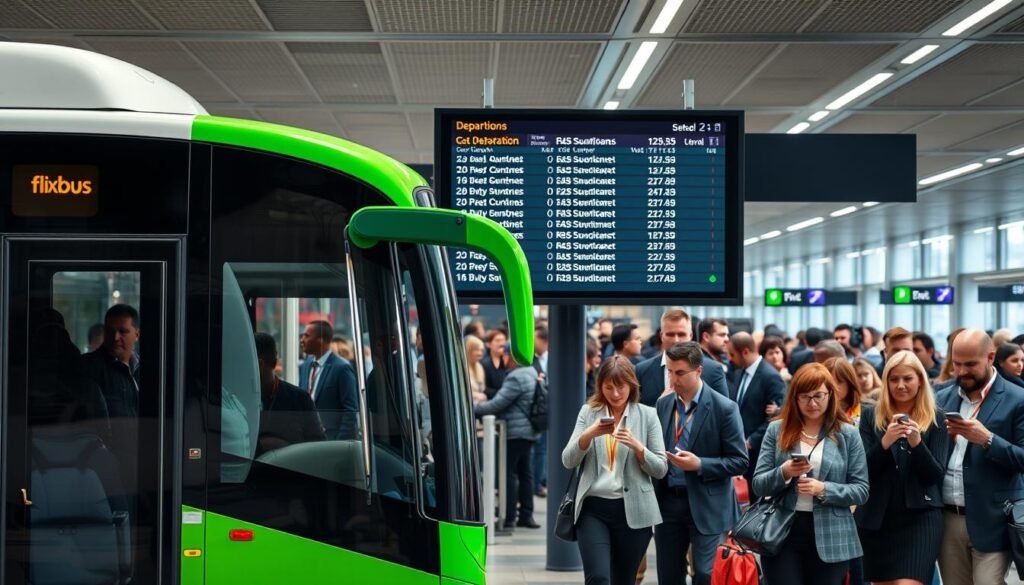
Common Reasons for Delays and Missed Departures
Understanding the common causes of delays can help you better prepare for your journey. Several factors can lead to missed departures, impacting your travel plans. Here are some of the most common reasons:
- Traffic Congestion: Heavy traffic or road closures can delay your arrival at the terminal.
- Vehicle Faults: Mechanical issues with the transport can lead to unexpected delays.
- Boarding Delays: Slow boarding processes can also affect scheduled departure times.
- Weather Conditions: Severe weather, such as flooding or snow, can disrupt services.
- Operational Changes: Alterations to the operator’s planned service can lead to delays.
When a delay affects your plans, it’s advisable to record the actual arrival or departure time, including the number of minutes involved. This information can be crucial for future claims or rebooking.
Keep in mind that an operational delay caused by the carrier may be treated differently than a passenger missing the transport due to late arrival. Always check for official updates before leaving for the terminal, especially when adverse weather or transport disruptions may affect your route.

What Happens After a flixbus missed bus?
Understanding the implications of arriving late for your scheduled transport can help ease travel concerns. If you find yourself in this situation, it’s important to know that a missed service does not automatically guarantee a spot on the next available vehicle. Rebooking is often subject to availability and specific ticket conditions.
Here’s a practical order of action:
- Check your booking details to confirm your ticket conditions.
- Identify the next available service to your destination.
- Contact the carrier to inquire about potential changes.
The original scheduled departure, your arrival time, and the reason for the missed journey can all influence the options available to you. Possible outcomes may include a new ticket, a change fee, a fare difference, or even a refund request.
Always remember to keep confirmation emails, payment records, and screenshots. These details may support any later claims or complaints regarding your travel situation.
| Action | Details | Possible Outcomes |
|---|---|---|
| Check Booking | Verify ticket conditions and terms. | Understand your rebooking options. |
| Identify Next Service | Find the next available transport. | May require additional payment. |
| Contact Carrier | Ask about changes and fees. | New ticket or refund may be possible. |
Ticket Conditions and Passenger Rights
It’s crucial to familiarise yourself with the specific terms attached to your ticket before embarking on your journey. Each ticket may have rules covering changes, cancellations, refunds, transfers, no-shows, and the use of the booked service. Therefore, reading the booking confirmation and conditions is essential before assuming any compensation is available.
It’s important to distinguish between contractual ticket terms and statutory passenger rights. These rights may apply if the carrier cancels or significantly delays a service. Always keep in mind that the reason for a missed departure, the route, the ticket type, and the carrier’s conduct should be recorded carefully.
UK passengers are encouraged to retain their tickets, receipts, and any written responses when seeking assistance from the operator. This documentation can be vital for any future claims or requests for help.
| Ticket Aspect | Description | Importance |
|---|---|---|
| Changes | Rules regarding modifications to your booking. | Understanding flexibility options. |
| Cancellations | Conditions under which you can cancel. | Know your rights to refunds. |
| No-Shows | Implications of not showing up. | Potential loss of fare. |
Scheduled vs. Prior Departure Times
Understanding the difference between scheduled and prior departure times is vital for smooth travel. The scheduled departure is the time displayed on your booking confirmation or the operator’s travel information. It’s the time you should plan to be at the terminal.
A prior departure refers to a service leaving earlier than expected. This makes accurate time checks essential. Always compare your ticket, booking page, stop information, and live service updates before heading to the terminal.
It’s important to note that arriving at the correct stop after the transport has left may be treated differently than if the service departed early. Therefore, aim to arrive well before the listed departure time. Allow extra time for locating the terminal, queuing to board, and accounting for local traffic.
“The early bird catches the worm.”
By taking these precautions, you can significantly reduce the risk of missing your transport.
| Departure Type | Description | Importance |
|---|---|---|
| Scheduled Departure | Time printed on your booking. | Key for planning arrival. |
| Prior Departure | Service leaves earlier than expected. | Need to check times closely. |
| Live Updates | Real-time information on departures. | Helps avoid confusion. |
Managing Alternative Transport Options
Navigating alternative transport options can be crucial when your original journey becomes impractical. If you find yourself in this situation, consider exploring other services such as local buses, coaches, taxis, or even rail options. Each of these can offer viable solutions to keep your travel plans on track.
Before committing to any replacement transport, compare the new price, departure time, travel duration, luggage rules, and arrival point. This will ensure you make an informed decision that suits your needs.
It’s also important to understand the difference between rebooking your original ticket and requesting a refund. In some cases, rebooking may be more beneficial, while in others, a refund could save you money. Keep in mind that purchasing another transport independently may not guarantee reimbursement unless the carrier accepts the additional cost.
Lastly, always retain receipts and document why the replacement transport was necessary. This is particularly vital if a delay or cancellation led to your need for alternative arrangements.
Navigating the Claims Process
If you’ve ever found yourself in a situation where your transport has already departed, knowing how to navigate the claims process can be beneficial. Gathering the necessary information is the first step. Collect your booking reference, ticket, journey date, route, and departure details. Additionally, keep any evidence of delays or cancellations.
Next, write a clear claim that explains what happened, the payment made, and the outcome you seek. It’s wise to attach receipts for any replacement transport, accommodation, or other reasonable costs, provided the conditions allow for recovery.
Always submit your claim through the operator’s official page rather than relying on unverified contact details. A concise timeline with precise times and supporting documents can significantly enhance the assessment of your claim.
Understanding Departure Time Schedules
Familiarising yourself with the departure time schedules can prevent unnecessary stress during your travels. The scheduled departure is the published time associated with your booked route, stop, and date. This is the time you should aim to be at the terminal.
However, it’s important to note that timetable information may not account for the time needed for boarding, luggage loading, or reaching the correct platform. Therefore, allowing extra time is always a wise decision.
If you believe a service departed earlier than scheduled, ensure that you have supporting evidence. This could include your ticket, official updates, photographs, or time-stamped communications. These details will be crucial if you need to make a claim.
Additionally, verify whether your booking uses local time, especially when crossing regions or travelling through areas with different time settings. Lastly, checking the exact stop is essential, as a route may serve several terminals or nearby locations.
Evaluating the Impact on Your Journey
Recognising the impact of a missed departure on your journey can help you make informed decisions. A late arrival can disrupt connecting transport, accommodation check-ins, work appointments, events, or even flights later in your trip.
Before choosing between rebooking, requesting a refund, or seeking alternative transport, it’s wise to calculate your revised arrival time. This assessment can guide you in making the best choice for your circumstances.
Additionally, identify which parts of your planned journey are flexible and which arrangements may incur extra costs if changed. A short delay of just a few minutes can escalate into a more significant issue, especially if the next service operates only after a long interval.
It’s advisable to contact affected providers promptly rather than waiting for your revised travel arrangements to be confirmed. This proactive approach can save you time and help secure your travel plans.
Steps to Take When You Miss Your Bus
Understanding the steps to take after missing your scheduled transport can help reduce anxiety. If you find yourself in this situation, follow these immediate actions:
Immediate Actions to Consider
- Confirm the correct stop and check whether the transport has indeed departed.
- Review your booking details before making any immediate replacement purchases.
Contacting Customer Support
It’s essential to contact the operator as soon as possible through their official channel. This is especially important if a delay, cancellation, or early departure may be involved.
When reaching out, provide the following information:
- Your booking reference
- Route and date of travel
- Terminal and scheduled departure time
- Your requested solution
Be sure to ask specifically about the next available service, ticket changes, refunds, and any applicable passenger rights. Finally, keep a record of the support response, claim number, payment records, and all receipts for later follow-up.
Insights into Delays, Reimbursements and Refunds
Recognising how delays can affect your eligibility for reimbursements is crucial for a smooth travel experience. It’s important to distinguish between a passenger missing transport and delays caused by the carrier. This distinction can significantly influence your options for reimbursement or refunds.
Compensation is not automatic. It may depend on various factors such as the route, the length of the delay, ticket conditions, applicable laws, and the evidence you provide. Therefore, it’s wise to gather all relevant documentation.
When seeking reimbursement, always calculate the amount based on documented payments rather than estimates. A refund typically covers the ticket price, while reimbursement can include reasonable additional costs accepted under specific conditions.
Before submitting a complaint regarding payment or compensation, check the operator’s current policy and response times. This will ensure that your request is handled efficiently.
| Aspect | Description | Importance |
|---|---|---|
| Passenger vs. Carrier | Understand the difference for claims. | Influences reimbursement options. |
| Compensation Conditions | Depends on route and delay length. | Key for potential claims. |
| Documented Payments | Use actual costs for requests. | Avoid unsupported assumptions. |
Contacting the Operator and Official Channels
Understanding how to reach out for assistance after your transport has left is vital for a smooth travel experience. When faced with travel disruptions, knowing where to find accurate information can significantly help. It’s best to direct your inquiries to the official website, booking account, or help centre of the operator.
Avoid relying solely on search-engine adverts or social media comments, as these may not provide accurate or reliable information. Always check if your enquiry concerns a booking, refund, lost property, delay, cancellation, complaint, or passenger rights issue.
When contacting the operator, consistently quote your booking reference and route. This will help streamline the process and ensure that your request is handled efficiently. Additionally, consider using written communication, as it provides a useful record of your request, the response received, promised actions, and payment details.
| Contact Method | Description | Benefits |
|---|---|---|
| Official Website | Access to accurate travel information. | Reliable updates and resources. |
| Help Centre | Specific assistance for various issues. | Targeted support based on your needs. |
| Written Communication | Documented records of your interactions. | Helps track responses and actions. |
How to Manage Your Booking and Ticket Changes
Understanding how to navigate your booking details can save you time and hassle during your travels. If you find yourself needing to adjust your plans, start by reviewing your booking information. This will help you determine if your ticket is eligible for changes before you consider purchasing another journey.
Common adjustments include changes to your travel date, departure time, passenger details, route, seat preference, or baggage selection. Be aware that making changes may involve a fare difference, an administration charge, or new ticket conditions.
Before heading back to the terminal, confirm your revised itinerary and payment receipt. This ensures you have all the necessary details in hand. Remember, cancelling your original booking without exploring available change options may limit your choices for future travel.
Tips for Avoiding Future Missed Departures
Planning ahead can significantly reduce the chances of arriving late for your transport. Taking a few simple steps can make your journey smoother and less stressful.
First, check your ticket details, route, stop, terminal, and local departure time the day before travel. It’s also wise to verify this information again before leaving home.
Arriving early is crucial. Allow enough time for traffic, locating the correct platform, boarding procedures, and any unexpected delays. Additionally, save your booking offline and keep your phone charged to monitor official service updates while travelling.
When connecting to other important commitments, such as flights or appointments, allow extra time between your arrival and these engagements. While advance planning cannot prevent every disruption, it can help reduce the risk of avoidable confusion.
| Tip | Description | Benefit |
|---|---|---|
| Check Details | Review ticket and route information. | Avoid last-minute surprises. |
| Arrive Early | Get to the terminal well in advance. | Account for traffic and delays. |
| Save Booking | Keep a copy of your booking offline. | Access information without internet. |
Final Considerations for a Smooth Journey
Understanding the various paths you can take after a missed departure is essential for stress-free travel. It’s vital to explore all available options, as this can lead to a more satisfactory resolution. Here are some key considerations:
Reviewing All Available Options
- Compare rebooking, refund, reimbursement, compensation, alternative transport, and complaint options before choosing a solution.
- The best response depends on the reason for the missed departure, the ticket conditions, and the urgency of your trip.
- Prioritise safety, accurate information, and documented communication over rushed purchases made without checking the available terms.
- Keep the original ticket, receipts, and operator messages for a clearer record of the situation.
- UK travellers should use official information channels when checking current policies and support routes.
By taking these steps, you can navigate the complexities of travel disruptions more effectively and ensure a smoother journey.
Conclusion
Missing your scheduled transport can lead to various outcomes, influenced by your ticket conditions and the timing of your arrival. It’s essential for passengers to check the scheduled departure and confirm the correct stop. Contacting the carrier to ask about the next available service can also provide clarity.
Before paying for another journey, take time to compare options for rebooking, refunds, and compensation. Retaining tickets, receipts, and booking details will be invaluable if you need to make a claim or complaint later.
Ultimately, prompt action, accurate information, and a careful review of passenger rights will provide the best path to getting back on track.