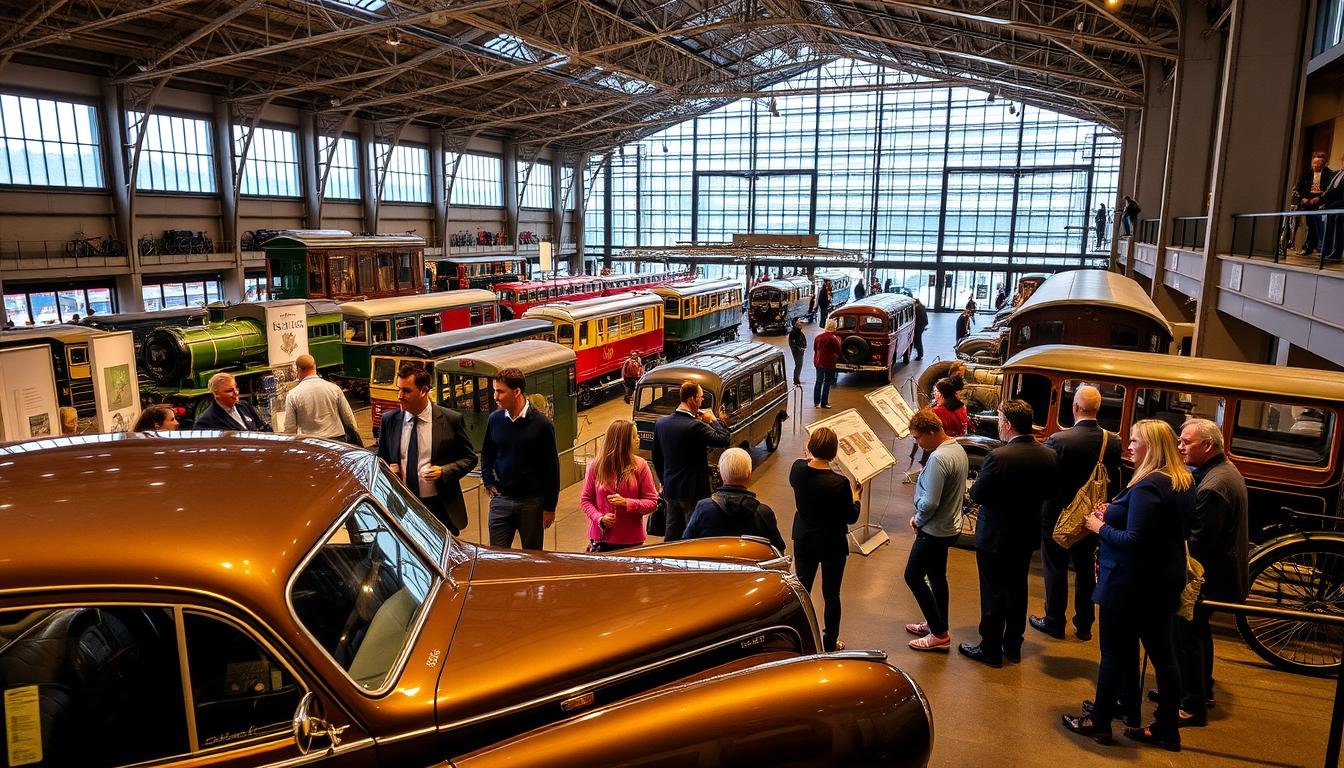
The royal corps of transport is a key part of the British Army’s history. It played a vital role in military logistics. This meant supplies got to the front lines quickly and accurately.
Understanding this legacy shows us the importance of defence. These soldiers were experts in moving goods in tough places. They made sure everything ran smoothly.
Even today, the royal corps of transport is important for military operations. We can learn a lot from their ability to adapt to new technologies and global needs. Looking at how they evolved gives us a deep respect for their dedication to national security.
Key Takeaways
- The organisation provided essential logistical support for decades.
- Efficiency in supply chains remains vital for national defence.
- Historical lessons continue to shape modern military strategies.
- Soldiers demonstrated remarkable adaptability in diverse theatres.
- The legacy of this group inspires current service members.
Introduction to the Royal Corps of Transport
The royal corps of transport has greatly influenced the British Army’s efficiency. It was the main force behind moving and distributing goods. This ensured the army’s operations ran smoothly, no matter the situation.
They managed the flow of resources, playing a key role in many successes. Their work allowed commanders to focus on planning, knowing supplies would arrive on time.
What is the Royal Corps of Transport?
The royal corps of transport was created to handle the movement of people and goods. It was the link between home and the front lines, using expert planning and execution.
The corps was all about being reliable and quick. It worked well in both peace and war, keeping the country safe.
A Brief Overview of Its Functions
The corps was at the heart of military logistics. They moved everything from food and fuel to heavy equipment and ammo over different terrains.
To do this, they had several important roles. These roles kept the army moving and effective:
- Strategic Distribution: Coordinated the big movement of assets across borders.
- Tactical Support: Provided quick transport during field operations.
- Asset Management: Kept a huge fleet of vehicles ready at all times.
- Supply Chain Oversight: Managed the complex military logistics for troops in remote areas.
Understanding these tasks shows the huge effort needed. It requires precision, hard work, and a deep understanding of war’s challenges.
Historical Background
Every great military force needs to move well. This need led to the creation of the Royal Corps of Transport. It has a long history of serving with dedication, adapting to the changing needs of war.
Origins and Formation
The Royal Corps of Transport started in 1965. It combined different parts of the British Army to improve movement. This was key to keep army transportation efficient in a fast-changing world.
By joining the transport roles of the Royal Army Service Corps and others, a new unit was formed. This unit focused on moving people and supplies. It made sure the front lines were always well-stocked.
Significant Milestones in Its History
The corps hit many important milestones over the years. It got new vehicles that were faster and more reliable on different terrains.
These changes were more than just new tools. They marked a shift in how the corps worked. It became known for reliable logistical support, helping commanders plan with confidence.
Notable Operations Through the Years
The corps showed its strength in many tough situations. It handled big deployments and quick humanitarian efforts well. Its ability to keep logistical support going, even in danger, became famous.
Precision and resilience were key in these missions. The team showed great skill in moving important gear to where it was needed most. They managed complex army transportation networks with ease.
Structure and Composition
Every successful troop and supply movement had a structured organisational hierarchy. This framework helped the corps work with remarkable precision and discipline in different places. It ensured resources got to where they needed to go quickly.
Johnstone and Area Community Transport here
Organisational Hierarchy
The hierarchy supported complex military logistics worldwide. Strategic planners at the top coordinated big movements. Mid-level officers managed regional depots and transport hubs. This structure kept military logistics ready to adapt to the British Army’s needs.
Each part of the hierarchy had its own authority. This helped keep things in order during stressful times. Clear lines of communication meant info moved quickly from the front to headquarters. This structured communication was key to staying ready to operate at all times.
Roles and Responsibilities of Personnel
The corps’ success relied on the diverse skills of its people. From planners to drivers, everyone was vital. Their work was essential for managing supply chain management in tough places.
People were trained for many tasks, keeping supply chain management strong even in danger. Drivers, mechanics, and logistics officers worked together to keep the army moving. Their specialised training helped the corps quickly meet new needs.
The commitment of these individuals was what made armed forces logistics effective. By clearly defining roles, the corps made sure every soldier knew their part in the mission. This focus on roles remains a key part of armed forces logistics and shapes modern military operations.
Key Equipment and Vehicles
The history of the corps is told through its mechanical workhorses. These machines moved supplies across the globe. They were not just tools; they were essential for every mission.
Reliability was key for any vehicle. They had to work well on all types of roads, from muddy tracks to paved ones.
Types of Vehicles Used
The corps used many vehicles for army transportation. This variety helped them adapt to different environments, from deserts to forests.
The fleet included:
- Heavy Goods Vehicles (HGVs): Needed for moving lots of supplies.
- Light Utility Vehicles: Good for quick checks and moving people.
- Specialised Recovery Trucks: Crucial for keeping the fleet running.
- Amphibious Craft: Used for crossing water in coastal or river operations.
“Logistics is the ball and chain of warfare; without the right vehicle, the army cannot move, and if it cannot move, it cannot win.”
Evolution of Transport Technology
Over the years, technology changed how the corps moved goods. At first, they used civilian trucks, but later, they built their own military vehicles.
New technology brought bigger loads and safer driving. These changes kept military transportation services efficient, even in tough terrains.
| Era | Primary Technology | Key Advantage |
|---|---|---|
| Early Years | Modified Civilian Trucks | Cost-effective deployment |
| Mid-Century | Purpose-built 4×4/6×6 | Superior off-road mobility |
| Modern Era | Digital Logistics Systems | Real-time tracking and efficiency |
The corps kept up with new technology. This ensured their logistics stayed ahead of the front line’s needs. Their focus on technological excellence is a key part of their legacy.
Training and Development
The journey to become a specialist in military logistics started with a tough selection process. Candidates were tested on their physical fitness and problem-solving skills under pressure. This made sure only the most committed individuals joined the team.
Recruitment Process
Prospective members went through tests to see if they were right for technical roles. Recruiters looked for resilience, quick thinking, and a strong sense of duty. Once chosen, these recruits got constant mentorship to grow their skills.
The recruitment phase was more than a background check. It was the start of building a strong team. Every recruit had to show they could handle the corps’ unique demands. This was key for keeping high standards in military transportation services.
Training Programmes for Personnel
After being accepted, personnel started training that covered many technical skills. These programmes aimed to turn new recruits into skilled specialists. The training focused on key areas to make sure they were ready for action:
- Advanced vehicle maintenance and repair techniques.
- Strategic planning for complex logistical supply chains.
- Safe operation of heavy-duty transport equipment in diverse environments.
- Emergency response protocols for field operations.
The training was tough both physically and mentally. It combined classroom learning with practical field exercises. This made sure every member was ready for the challenges of military transportation services. This dedication to training made every recruit a reliable expert in their field.
Contributions to Military Operations
The unit has shown that logistical support is vital for success. The Royal Corps of Transport moved essential resources over tough terrain. This kept troops ready for action, no matter how far from home.
This skill helped the military keep up the pace in critical missions. By improving military logistics, the corps made sure soldiers had what they needed. This included fuel, food, and ammo for their tasks.
Major Deployments
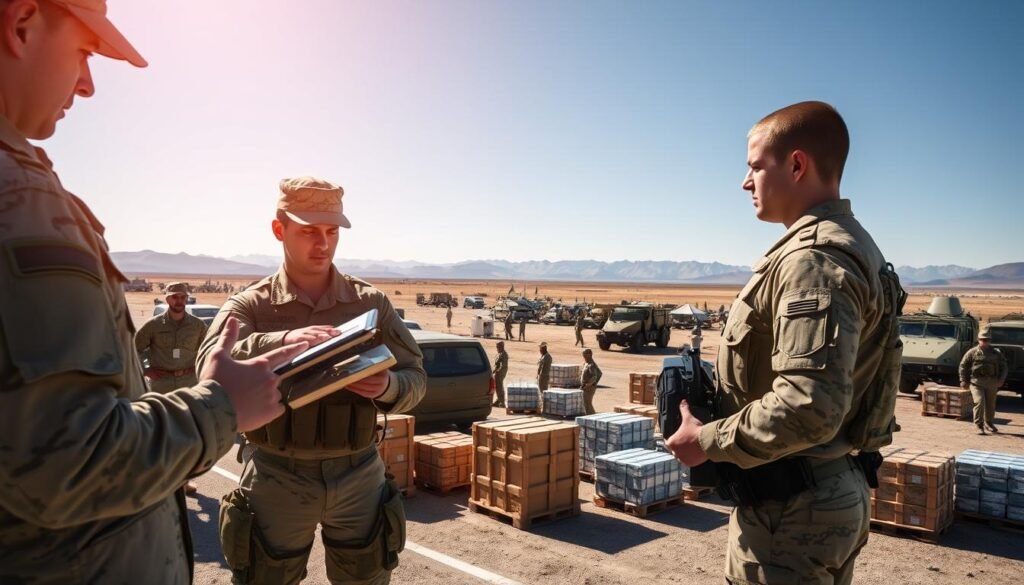
In big international battles, the corps managed huge supply chain management networks. These stretched over thousands of miles. They needed to work well in bad weather and hostile areas.
The unit’s focus on efficiency was key for long deployments. Whether in deserts or forests, they kept the flow of gear going. This was essential for staying ahead.
Support in Humanitarian Efforts
The corps’ skills were also useful in global crises. They often helped with logistical support in disasters. This included food, medical aid, and shelter for those hit by disasters.
These efforts showed the unit’s supply chain management could adapt. By using their military skills for civilian needs, they saved many lives. This was in areas hit by earthquakes, floods, and famine.
In the end, these efforts showed military logistics is more than just winning wars. It’s about helping those in need. This showed the corps’ humanitarian side throughout its history.
Community Engagement
The Royal Corps of Transport staff did more than their jobs. They got involved in local towns and cities. They knew building strong relationships with people was key. This helped keep trust and transparency high.
By leaving the barracks, they showed the human side of military life. This made people see them in a different light.
Involvement in Local Events
The corps joined in on parades, county shows, and ceremonies. These were great chances for soldiers to meet the people they protected. They became a common and welcome face in many places.
They also did charity work. This showed their dedication to helping others. It helped connect military life with civilian life.
Initiatives for Public Awareness
Teaching people about logistics was important to them. They held open days and visited schools. This helped explain how goods got where they needed to go.
They showed the technical side of goods transportation. This inspired young people to think about military careers. Their efforts kept the public informed and proud.
International Collaborations
Working with international partners boosts our global presence and skills. We team up with allies to stay flexible and prepared for any task. This teamwork is essential for keeping peace and stability worldwide.
Joint Exercises with Other Militaries
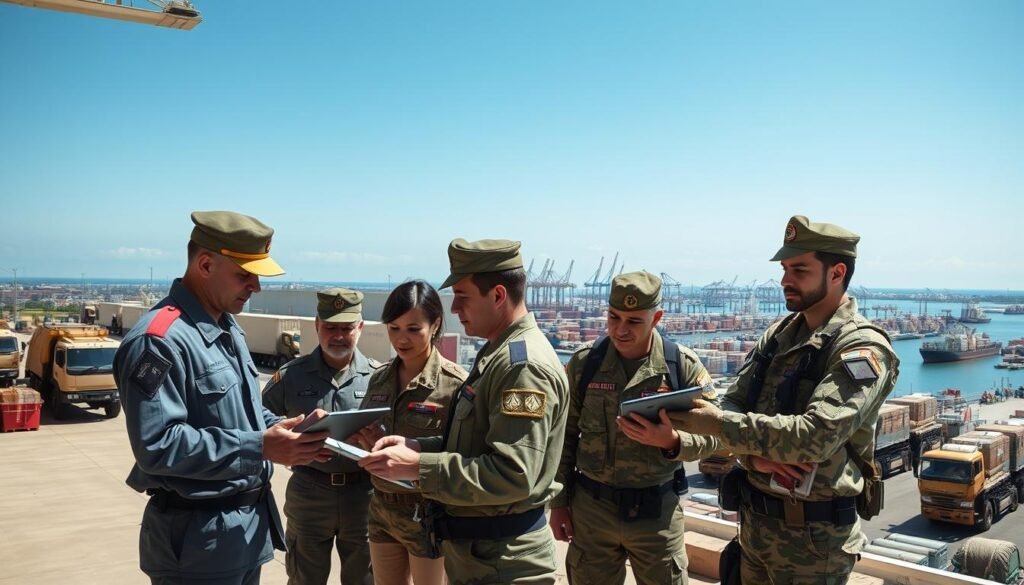
Training with foreign forces sharpens our armed forces logistics skills in various settings. These exercises help us share the best methods and check if our gear works together. Training together builds trust, so we can work as one in emergencies.
These partnerships let us learn from others’ tactics. By working together, we get faster and more efficient. These alliances are key to our ongoing defence efforts globally.
Role in Global Peacekeeping Missions
Our skills in moving goods and supplies are critical in peacekeeping missions worldwide. We ensure vital supplies reach those in need. Our team shows exceptional skill in tough terrains and complex supply chains.
Our success in these missions relies on working well with global agencies. We’re known for our reliability and precision under pressure. Through these efforts, we support peace and humanitarian aid globally.
Challenges and Adaptations
The world of military logistics has changed a lot over the years. This change has made us rethink how we move things. As wars got more complicated, we needed to move things faster and better.
This change made us more flexible and forward-thinking. We had to stay ahead to keep winning.
Evolving Transport Needs
Today, army transportation is more than just moving cars. It’s about managing big supply chains across the world and in tough places. We had to switch from old ways to new, smart strategies to succeed.
We now focus on being quick and reliable. Our main goal is to give troops what they need, when they need it. This means knowing the local area and global routes well.
Responses to Technological Advances
To keep leading, we adopted new digital tools and machines. We used automated systems to make moving goods faster and less prone to mistakes. This made tracking and managing stock easier in real-time.
Using these new technologies showed we can handle the pressure. By investing in modern tech, our logistical support stayed strong, even as wars got more complex. This made us known for our excellence and reliability.
| Feature | Traditional Methods | Modern Solutions |
|---|---|---|
| Tracking | Manual Paper Logs | Real-time Digital GPS |
| Efficiency | Standardised Routes | Dynamic Route Planning |
| Communication | Radio Dispatch | Integrated Network Systems |
| Primary Goal | Bulk Delivery | Precision Logistics |
Future of the Royal Corps of Transport
The future of military transport is changing fast. The core mission stays the same, but how we do it is changing a lot. Innovation is now key in every decision.
Upcoming Changes and Developments
Modern operations need digital integration and automated systems. Advanced data analytics help predict needs before they happen. This means resources are always where they’re needed most.
Also, using supply chain management makes things more efficient. It helps move goods faster and reduces waste. These changes are key for staying ready in the 21st century.
Vision and Strategic Goals
The long-term vision is to build a strong network for diverse missions. Strengthening armed forces logistics is key to keep everyone ready for any challenge. This ensures the corps’ lessons inform today’s plans.
Good supply chain management is about smooth support flow, not just moving items. Improving these processes keeps the corps’ reputation high. This dedication keeps the corps’ legacy alive for future generations.
The aim is to always get better. By focusing on armed forces logistics, the corps stays essential for national security. Adaptability will keep the corps successful as technology changes the battlefield.
Conclusion
The royal corps of transport is a key part of British military history. It has set a high standard for logistics and supply chain management. This standard continues to shape modern operations today.
The Lasting Impact of the Royal Corps of Transport
The dedication of personnel over the years has shaped the British armed forces. They adapted to changing battlefield needs, ensuring supplies reached the front lines. This spirit of service is essential to the modern military’s identity.
Encouraging Future Generations to Explore Military Careers
New recruits can join the British military and build on its rich history. There are many career paths with opportunities to develop skills and leadership. By exploring these roles, individuals can contribute to national security and gain valuable experience.